Why does the UK drive on the left?
Short answer: The UK drives on the left because it never moved away from the side most travellers once used. Right-handed riders kept left, with the sword arm toward strangers. In the late 1700s, big seatless wagons in France and the United States pushed traffic to the right. British drivers sat on the right of a seat and kept left. The Highway Act of 1835 made that the law.
Left was the old default
Before cars, most travellers in Europe kept to the left. The usual explanation is about weapons. Most people are right-handed, and a rider who passed strangers on his right kept his sword arm between himself and them. A scabbard hung on the left hip, away from oncoming riders. There it was less likely to hit anyone.
Mounting a horse points the same way. A right-handed person finds it easier to climb into the saddle from the horse's left side. A rider on the left of the road could mount and dismount at the roadside, out of the traffic.
Historians treat these reasons with caution. Wikipedia's survey of the subject says it is "not clear" why societies picked one side. The usual claims involve reins, weapons and whips. Even the Roman evidence points both ways. Historic UK cites finds suggesting that Roman carts drove on the left. A study of Pompeii found that cart drivers there kept to the middle of the street. They moved right only when traffic was heavy enough to need two lanes. Historic UK also repeats a story that in 1300 Pope Boniface VIII told pilgrims to keep left. Wikipedia notes there is no document to back it, and some writers say he told them to keep right.
Big wagons pushed traffic to the right
The change came with freight. In the late 1700s, teamsters in France and the United States hauled farm produce in large wagons pulled by several pairs of horses. These wagons had no driver's seat. The driver rode the rear horse on the left, which kept his right arm free for the whip.
Sitting on the left, he wanted oncoming wagons to pass on his left. There he could look down and keep clear of their wheels. So he kept to the right.
American law followed the wagons. The first known keep-right rule in the United States came in 1792, for the Philadelphia and Lancaster Turnpike in Pennsylvania. Massachusetts made right-hand traffic formal in 1821. In Europe, Denmark made driving on the right compulsory in 1793, and Paris introduced an official keep-right rule in 1794.
A popular story says Napoleon then spread right-hand traffic to every country his armies took. Worldstandards.eu repeats it and adds that the states that resisted him, Britain, Austria-Hungary and Portugal, kept left. Wikipedia notes that researchers looking for documents to back the Napoleon story have not found any.
Why Britain stayed on the left
British wagons had a seat. The driver sat on the right of it, which left his whip hand free. From there he kept left. As Historic UK notes, a driver sitting on the wrong side finds it hard to judge the traffic coming the other way.
The habit became law first on a crowded crossing. Congestion in 18th-century London led to a rule that all traffic on London Bridge keep left. The London Bridge act of 1756 ordered that "all carriages passing over the said bridge from London shall go on the east side thereof." For a carriage heading south out of the City, the east side was on the left. Wikipedia calls the act possibly the first law requiring traffic to keep left.
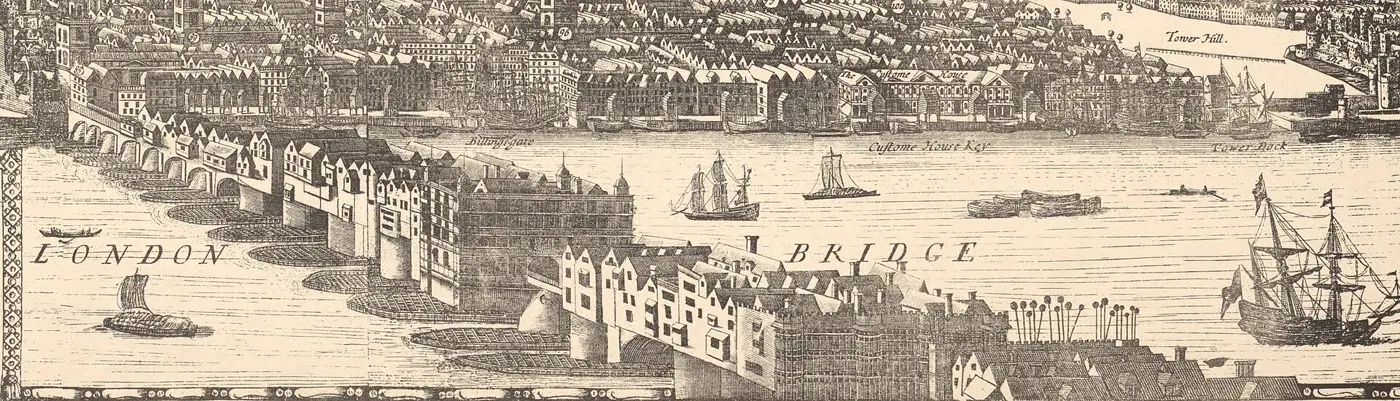
The Highway Act of 1835 made driving on the left mandatory in Britain. The rule then spread across the British Empire. Ireland passed its own law for the whole country a year later, in 1836. Many countries that were once part of the empire, such as India and Australia, still drive on the left.
The country that changed sides overnight
Sweden drove on the left from about 1734. In a 1955 referendum, 82.9% of voters said no to a switch. Parliament passed the change anyway in 1963.
The switch came on Sunday, 3 September 1967, a day known as Dagen H. At 4:50 in the morning, all traffic in Sweden stopped. Ten minutes later, at 5:00, it started again on the right.
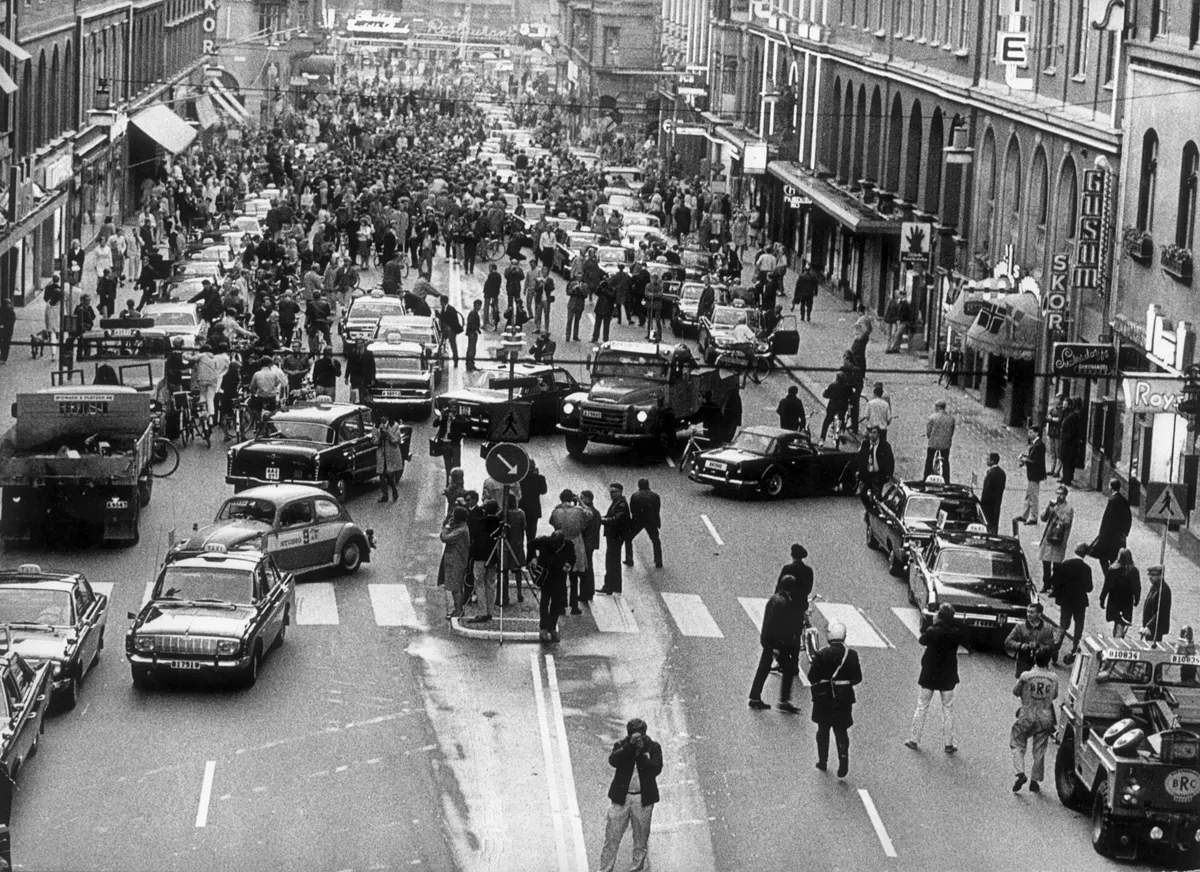
Right after the change, the accident rate dropped sharply, then soon rose back to near its earlier level. Other places have switched since. Okinawa went back to the left at 6 a.m. on 30 July 1978. Samoa moved from right to left on 7 September 2009.
Who drives on the left today
About 75 countries drive on the left. Japan made left-hand traffic law in 1924. Together they cover about a sixth of the world's land and a quarter of its roads. About a third of the world's people live in them. In Europe only four countries still keep left: the United Kingdom, Ireland, Cyprus and Malta.
The UK has kept that side since 1835. Next time you see a British car, look at where the driver sits. He is on the right, next to the centre line, like the wagon driver at the right end of his seat.
FAQ
Why did people ride on the left in the past?
The usual explanation is that most people are right-handed. Riding on the left kept the sword arm toward strangers coming the other way, and a right-handed rider mounts a horse from its left side, which is easier to do at the roadside. Historians note that the real motives are not clear.
Why does America drive on the right?
In the late 1700s, American and French teamsters drove large wagons with no seat. The driver rode the rear left horse to keep his whip hand free, so he kept right to watch wagons passing on his left. Pennsylvania passed the first known keep-right rule in 1792.
When did driving on the left become law in Britain?
A 1756 act told carriages crossing London Bridge from the City to use the east side, which was on their left. The Highway Act of 1835 made driving on the left mandatory in Britain.
Did Napoleon make Europe drive on the right?
The story is often repeated, but researchers have not found documents to back it. Denmark made the right compulsory in 1793, and Paris adopted a keep-right rule in 1794.
How many countries drive on the left?
About 75 countries, home to about a third of the world's people. In Europe only the United Kingdom, Ireland, Cyprus and Malta still drive on the left.